
Investing in Teen Mental Wellness: Announcing Our Summer Workshops!
As summer approaches, the Kellin Foundation is excited to announce our upcoming workshops tailored for adolescents and teens. We recognize the challenges young people face, especially concerning their mental health. Research by the CDC reveals that about one in five children and adolescents experience a mental disorder annually, highlighting the urgent need for tailored support.
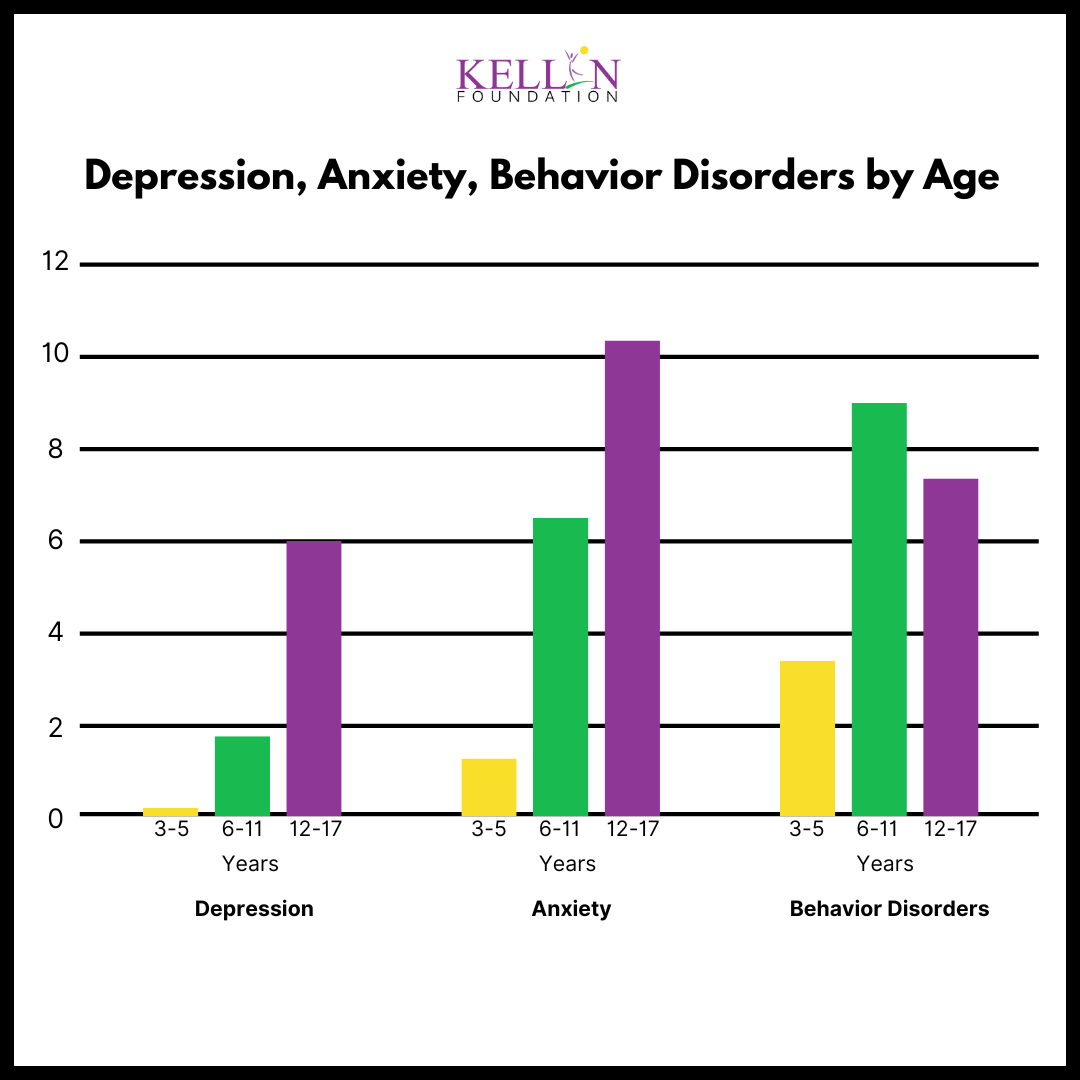
As summer approaches, the Kellin Foundation is excited to announce our upcoming workshops tailored for adolescents and teens. We recognize the challenges young people face, especially concerning their mental health. Research by the CDC reveals that about one in five children and adolescents experience a mental disorder annually, highlighting the urgent need for tailored support.
Our summer lineup features two workshops: "Connections" for grades 6-8 and "Teens Gotta Talk" for grades 9-12. These workshops address mental health issues and empower teens with essential life skills, fostering resilience in a supportive environment.
Why "Connections" and "Teens Gotta Talk" are Essential for Teen Mental Wellness:
Addressing the Mental Health Crisis: The prevalence of mental health disorders among teens underscores the urgent need for safe spaces where they can express themselves and receive guidance and support.
Building Skills for Life: Both workshops focus on crucial life skills such as self-esteem, social skills, stress management, and effective communication—essential for navigating adolescence and beyond.
Supportive Environment: Led by experienced mentors and mental health professionals, these workshops offer a safe, non-judgmental space where teens can learn, grow, and connect with peers facing similar challenges.
Empowering Teens: By participating, teens gain insights, tools, and strategies to cope with mental health challenges, enhance well-being, and build resilience for the future.
Why Parents Should Invest in Their Teen's Mental Wellness:
Investing in your teen's mental wellness is crucial for their overall health and future success. Our workshops offer online and in-person options for convenience. Enroll your teen in "Connections" or "Teens Gotta Talk" today and let's make this summer a season of growth, connection, and well-being for our youth.
CLICK THE IMAGES BELOW TO LEARN MORE AND REGISTER FOR KELLIN FOUNDATIONS SUMMER ADOLESCENT AND TEEN WORKSHOP OFFERINGS

TEENS GOTTA TALK IS FOR TEENS GRADES 9-12 and begins June 18, 2024
CONNECTIONS IS FOR KIDS GRADES 6-8 and begins June 20, 2024
Understanding the Economic and Societal Toll of Adverse Childhood Experiences (ACEs): A Call to Action for Prevention and Hope
Adverse Childhood Experiences (ACEs) cast a long shadow on adult health and well-being, shaping lives long after the events have passed. A recent study published in the Journal of the American Medical Association has unveiled a staggering economic burden carried by adults in the United States, estimated at $14.1 trillion annually.

Adverse Childhood Experiences (ACEs) cast a long shadow on adult health and well-being, shaping lives long after the events have passed. A recent study published in the Journal of the American Medical Association has unveiled a staggering economic burden carried by adults in the United States, estimated at $14.1 trillion annually.
These experiences often lead to harmful behaviors and health issues in adulthood, manifesting physically in chronic illnesses, disabilities, and shortened lifespans. The study aimed to quantify the economic consequences of ACE-related health conditions across the nation, revealing a stark reality: nearly two-thirds of American adults have faced at least one ACE in their lifetime. This statistic paints a vivid picture of widespread trauma ingrained in society.
The economic weight of ACEs is immense– with a loss of healthy life years valued at $13.9 trillion dollars annually. Costs per affected adult range from $1.3 million to $4.3 million over their lifetime. Notably, North Carolina bears a substantial share, with an annual cost of $552 billion attributed to ACE-related health conditions.
The societal impact is profound as well, with individuals burdened by ACEs struggling to contribute fully to the workforce and community, leading to productivity losses and increased healthcare spending. These numbers, depict a narrative of struggles, underscoring the importance of investing in preventive strategies.
Amidst these daunting statistics, there is hope. We know that ACEs are preventable, and by focusing on preventive strategies, we can significantly reduce their impact on individuals and society as a whole.
The CDC has identified key strategies that can prevent ACEs and mitigate their long-term effects:
Prioritizing funding focused on the prevention and treatment of ACES: Allocate resources that go upstream to address the root causes of ACES to prevent and treat the impact of ACES, including programs that allow access to needed supports and services such as counseling, wellness, tutoring, mentoring, parent support programs, and job placement programs.
Strengthen economic support to families: Enhancing household financial security and advocating for family-friendly work policies can reduce financial stress, creating a protective shield against ACEs.
Promote social norms that protect against violence and adversity: Through public education campaigns, legislative approaches to reduce corporal punishment, bystander approaches, and engaging men and boys as allies in prevention efforts, we can foster environments that discourage harmful behaviors.
Ensure a strong start for children: Early childhood home visitation programs, high-quality child care facilities, and preschool enrichment programs emphasizing family engagement are crucial in laying a solid foundation for children's well-being and resilience.
Teach essential skills: Initiatives focusing on social-emotional learning in schools, safe dating, and healthy relationship skill programs, along with parenting skills and family relationship approaches, empower individuals and families to navigate challenges effectively.
Connect youth to caring adults and activities: Mentorship programs and after-school programs play a pivotal role in providing support, guidance, and positive experiences for young individuals, fostering healthy relationships and a sense of belonging.
Intervene to lessen immediate and long-term harms: Enhanced primary care practices, victim-centered services, targeted treatments to reduce ACE-related harms, and family-centered treatment for substance use disorders are vital interventions to mitigate the impact of ACEs.
As we confront the stark realities produced by ACES, we're presented with an opportunity—a chance to rewrite narratives, invest in brighter futures, and build a society where ACEs are not destinies but challenges to overcome. It's imperative that we prioritize preventive strategies and interventions aimed at creating safe, nurturing environments for children and families. By doing so, we not only alleviate the economic strain but also unlock human potential, foster resilience, and pave the way for a brighter future free from the shadows of early adversity. Together, we can turn this daunting reality into a catalyst for positive change and collective well-being.
Empowering Our Community: Kellin Foundation's Upcoming Training Opportunities
Check out Kellin Foundation’s free upcoming community workshops and trainings for summer 2024.
Discover a wealth of empowering opportunities with Kellin Foundation's upcoming community trainings, starting this June. From Mental Health First Aid sessions for adults and youth, as well as QPR Suicide Prevention Trainings and more, we're dedicated to equipping our community and providers with the tools and knowledge needed for mental health awareness and support. Click the images below to register and to learn more about our range of free workshops and trainings and join us in fostering a healthier and more compassionate environment for all.

Workshops focusing on current mental health trends.

Empowering men through supportive community meetings for growth

Essential training for mental health crisis response.
QPR Suicide Prevention: June 25th and August 8th, 2024

Free QPR Suicide Prevention Training: Learn to Save Lives Now!
RESILIENT GUILFORD NETWORK: July 10th

Addressing Behavioral Health Equities in Communities of Color

Essential training for youth mental health crisis response.

In Loving Memory of Terri Spears: Honoring a Legacy of Compassion
It is with heavy hearts that we announce the passing of Terri Spears, a cherished member of our community and a graceful example of faith, strength and compassion.

It is with heavy hearts that we announce the passing of Terri Spears, a cherished member of our community and a graceful example of faith, strength and compassion. On May 7, 2024, at 5:30 am, Terri peacefully completed her courageous 10-month battle with cancer, leaving behind a legacy that will forever inspire us.
Terri's journey through cancer was marked by unwavering strength and resilience, traits that she exemplified throughout her life's work. As a Peer Support Supervisor at the Kellin Foundation, Terri touched the lives of countless individuals through her dedication, kindness, and expertise as a recovery coach and addiction specialist.
She believed in the healing power of community support and tirelessly championed causes that were close to her heart. Terri's faith, compassion, and commitment to making a difference were evident in every aspect of her life, earning her the admiration and love of all who knew her.
In honor of Terri's memory, her family and friends have decided to establish a Family Resource Room in her name at the Kellin Foundation. This room, to be named later by her family, will serve as a vital link connecting individuals and families to recovery resources in our community—a cause that Terri was deeply passionate about.
We invite all who knew and loved Terri to join us in this meaningful endeavor. Your donation not only honors Terri's legacy but also contributes to the Kellin Foundation's mission of uplifting and supporting those in need. Together, we can continue Terri's legacy of compassion and generosity, ensuring that her impact on our community lives on.
All contributions to the Family Resource Room are tax-deductible, and acknowledgment letters will be provided. Most importantly, your support serves as a tribute to an extraordinary woman who embodied strength, courage, faith, and a determination to leave a lasting legacy of love and service.
Thank you, Terri, for sharing your life with us. Your spirit will forever live on, and you will be deeply missed but never forgotten.
Keller Williams Red Day: A Day of Community Impact at the Kellin Foundation
On May 9, 2024, the Kellin Foundation Hope Hub buzzed with activity as local volunteers from Keller Williams realty groups came together for Keller Williams Red Day, a global initiative where Keller Williams agents and staff dedicate time to 'Renew, Energize, and Donate' within their communities.


On May 9, 2024, the Kellin Foundation Hope Hub buzzed with activity as local volunteers from Keller Williams realty groups came together for Keller Williams Red Day, a global initiative where Keller Williams agents and staff dedicate time to 'Renew, Energize, and Donate' within their communities.
Yesterday, the Kellin Foundation Hope Hub received a makeover thanks to the hard work and dedication of our Keller Williams Red Day volunteers. From assembling picnic tables to adding a fresh coat of paint to the walls, every task carried out was a step towards creating a more welcoming and functional space for all who visit.
The impact of this volunteer effort embodies the spirit of community and solidarity, demonstrating what can be achieved when people come together for a common cause. All of us at the Kellin Foundation would like to express our gratitude for the volunteers' generosity and commitment, and recognize the wonderful contribution they make to the community's well-being.
Thank you to all the volunteers who dedicated their time and energy to make yesterday's Keller Williams Red Day at the Kellin Foundation Hope Hub a resounding success. Your contributions are deeply appreciated and serve as an inspiration to us all.
.

Mental Health Awareness: Understanding Its Significance
May is Mental Health Awareness Month and serves as a reminder of the critical importance of understanding and supporting mental well-being. In a world where physical health often takes the spotlight, the significance of mental health can sometimes be overlooked. However, just as our bodies require care and attention, so do our minds.
May is Mental Health Awareness Month and serves as a reminder of the critical importance of understanding and supporting mental well-being. In a world where physical health often takes the spotlight, the significance of mental health can sometimes be overlooked. However, just as our bodies require care and attention, so do our minds.
Why is raising awareness about mental health important?
Breaking Stigmas: Mental health awareness dismantles stigmas tied to mental health conditions. Misconceptions and prejudices can lead to discrimination and deter individuals from seeking help. Open conversations and understanding foster inclusivity and support for those facing mental health challenges.
Early Intervention: Awareness prompts early intervention and prevention. Many mental health issues respond well to timely support and treatment. Without awareness, signs may go unrecognized, hindering individuals from seeking assistance. Increased awareness empowers people to recognize when help is needed, leading to better outcomes.
Encouraging Self-Care: Mental health awareness promotes self-care and prioritization of mental well-being. Amid hectic lifestyles, it's easy to overlook emotional needs. Highlighting mental health's importance reminds individuals to practice self-care, find balance, and engage in activities promoting well-being like exercise and mindfulness.
Improving Access: Promoting mental health awareness enhances access to resources and services. Prioritizing mental health in communities and organizations leads to improved services, increased funding, and more mental health professionals. This ensures everyone, regardless of their background, can access the support they need.
Fostering Empathy: Mental health awareness nurtures empathy and support within communities. Understanding the challenges faced by those with mental health conditions promotes compassion, validation, and assistance. This sense of community reduces isolation and builds resilience among individuals navigating mental health struggles.
To enhance mental health awareness, Kellin Foundation encourages our community to:
Sign Up for Trainings: Consider signing up for upcoming Mental Health First Aid and QPR Suicide Prevention trainings. These programs provide valuable skills and knowledge to support individuals in crisis and promote mental health awareness within communities.
Register to attend Wellness Classes: Participate in upcoming wellness classes focused on improving mental health. These classes may offer strategies for managing stress, enhancing resilience, and fostering emotional well-being, providing practical tools for self-care and mental wellness.
May's Mental Health Awareness Month serves as a reminder to prioritize and support mental well-being. By promoting awareness, combatting stigmas, encouraging early intervention, prioritizing self-care, enhancing access to resources, and fostering a culture of empathy and support, we create a world where mental health is valued and supported at every stage of life.